
OVERVIEW
CBT Architects designed the interior fit-out for Natixis Investment Managers’ Boston headquarters, creating a collaborative workspace using AIA Contract Documents to structure the project.
Why Integrated Workplace Design Matters
Modern headquarters projects increasingly require more than attractive interiors. They must support how organizations work. By aligning workplace design with operational flow, leadership goals, and sustainability priorities, architecture teams can create environments that encourage collaboration, streamline workflows, and adapt to future growth.
CHALLENGE
Unifying a Growing Workforce into One Collaborative Headquarters
Natixis Investment Managers experienced rapid growth in Boston, adding nearly 500 employees and significantly expanding assets under management. However, staff remained spread across multiple buildings throughout the city, making collaboration and communication more difficult.
Leadership set out to establish a new U.S. headquarters that would bring employees together under one roof while supporting a modern workplace culture and sustainable building strategy.
For CBT Architects, the challenge was to design a workspace that reflected the company’s business model and operational flow, not simply an attractive office environment.
Peter Longley
COO, CBT Architects
“It wasn’t just a matter of designing spaces and picking the right colors and furniture. We needed to understand their business model and flow to provide an optimal work environment that allowed for vertical interaction along with a sustainable focus.”
SOLUTION
Structuring the Interior Fit-Out with Clear Agreements and Collaborative Design
CBT Architects was selected through a conventional RFP process led by the owner’s project manager. Their proposal emphasized balancing creativity with the client’s operational goals while delivering a design that reflected the organization’s culture.
To formalize the project agreement, the team structured the engagement using ACD’s B152™ – Standard Form of Agreement Between Owner and Architect for Interior Design and Furniture, Furnishings, and Equipment (FF&E) Design Services.
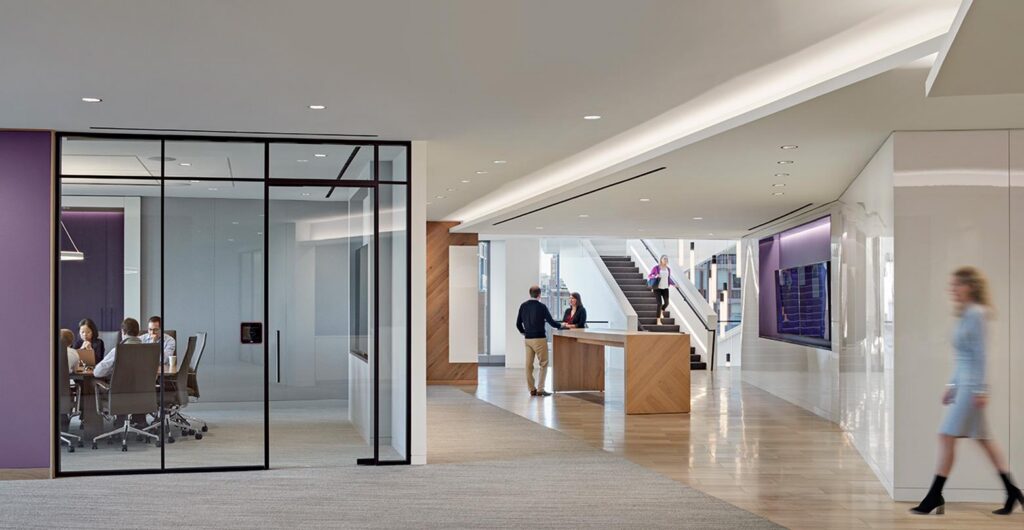
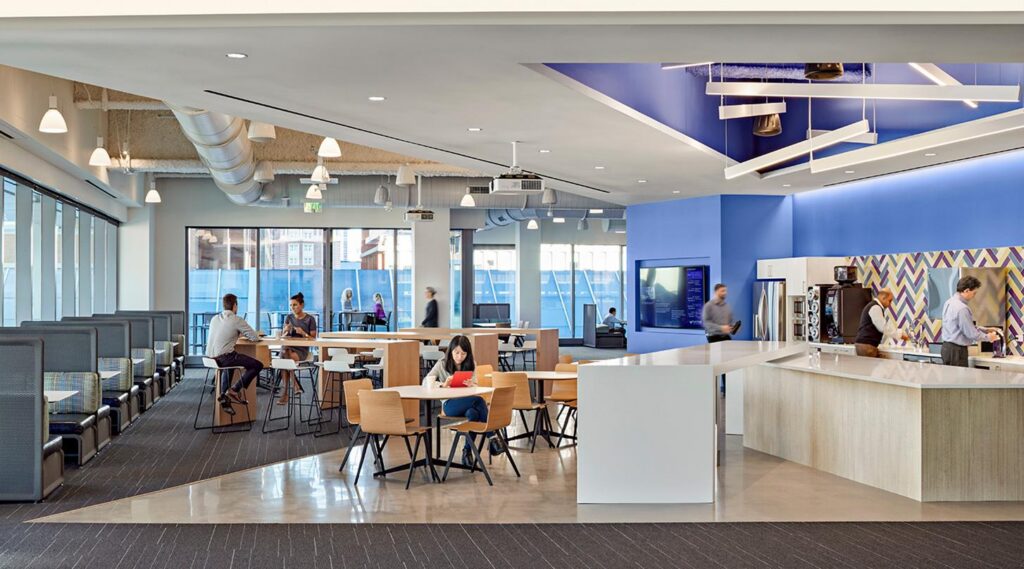
The project focused on transforming six floors, totaling approximately 154,000 square feet, into an integrated workplace designed for connection and productivity.
Key design strategies included:
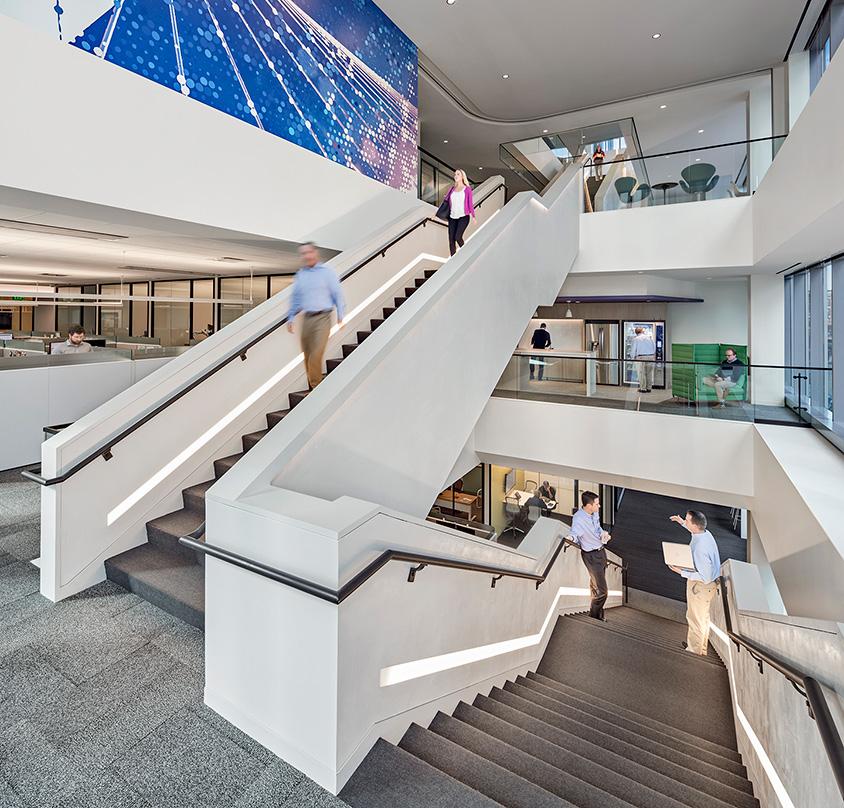
- Creating a central staircase connecting multiple floors to encourage vertical interaction across teams.
- Adjusting floor plans and ceiling systems to support the open design concept.
- Coordinating mechanical systems to accommodate evolving design changes.
- Working closely with the owner and project manager to maintain workflow and decision-making throughout the project.
CBT also participated in the contractor selection process, helping to interview and evaluate construction managers before a contractor with a strong track record of coordination was chosen.
Peter Longley
COO, CBT Architects
“For us, the B152 Owner/Architect-Interior Design document is the starting point for any negotiation.”
RESULTS
A Collaborative Headquarters That Supports Growth and Sustainability
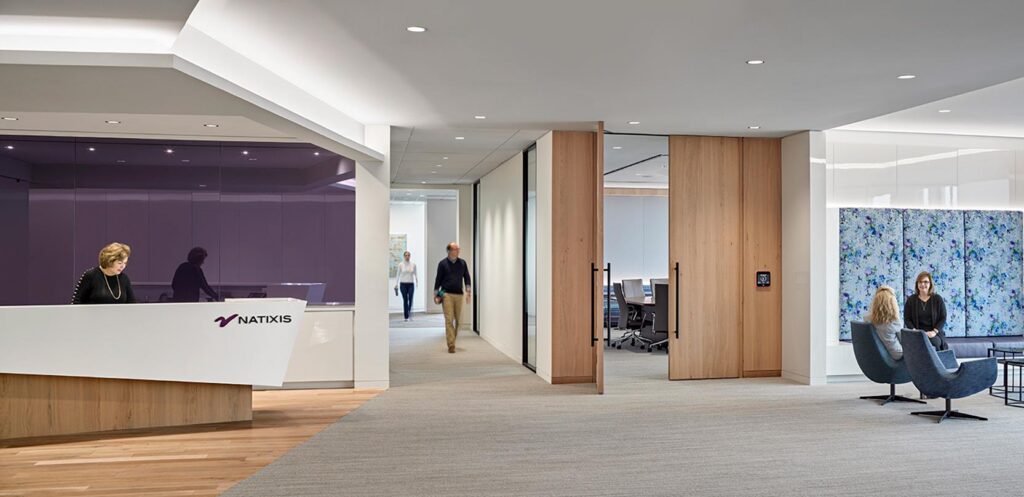
The completed interior fit-out delivered a cohesive headquarters environment aligned with the owner’s goals for collaboration and sustainability. By focusing on business workflows and employee interaction, the design helped create a workplace that supports both day-to-day operations and long-term organizational growth.
The headquarters houses approximately 450 employees within the 17-story LEED Platinum building in Boston’s Back Bay. Natixis maintains more than 1,500 staff in the Boston area and over 3,650 employees worldwide, managing hundreds of billions of dollars in assets.
For CBT Architects, the project illustrates how thoughtful design and clear project coordination can transform a rapidly growing company’s workplace environment while supporting long-term operational goals.
ACTIONABLE INSIGHTS
Lessons on Designing Sustainable Headquarters
Projects that combine workplace strategy, sustainable design, and strong project agreements can help organizations deliver more effective headquarters environments.
Consider these approaches when planning similar projects:
- Start with business workflows. Understanding how teams collaborate can guide design decisions that improve productivity and communication.
- Create vertical and horizontal connections. Architectural elements like central staircases and shared spaces can encourage interaction across departments and floors.
- Design for flexibility and growth. Workplace layouts should support evolving organizational needs and future expansion.
- Maintain strong collaboration between project stakeholders. Clear communication between owner representatives, architects, and contractors helps keep projects aligned and moving forward.
- Use established agreements to define scope and responsibilities. Learn how the B152™ agreement helps structure interior design and FF&E services for complex workplace projects.
Use AIA Contracts On Your Next Project
Gain access to the full library of industry-standard agreements and construction administration forms used across the construction industry. Learn how an unlimited subscription can support your firm’s projects.