OVERVIEW
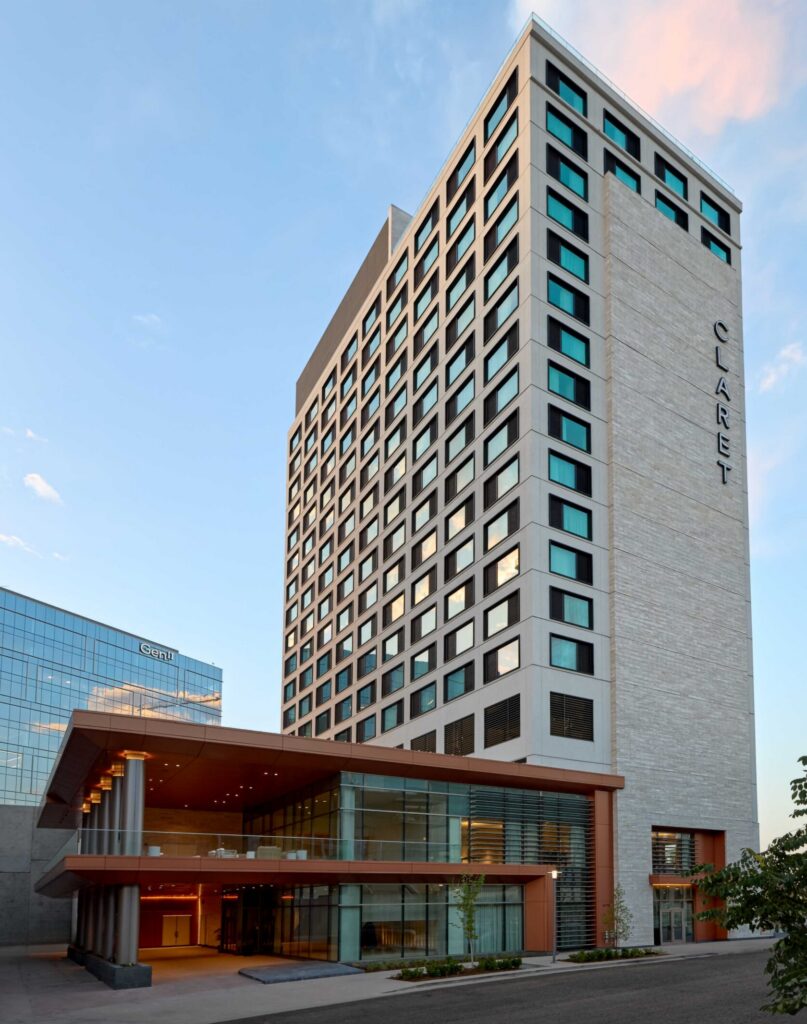
KGD Architecture is an award-winning design firm known for delivering complex hospitality, residential, and mixed-use projects across the United States. When the firm began work on the Kimpton Claret Hotel at Belleview Station in Denver’s Tech Center, the team established a clear contractual foundation using AIA Contract Documents (ACD). By implementing B101™ early in the project, KGD aligned stakeholders, clarified responsibilities, and maintained momentum on a high-profile hospitality development.
Why Standardized Contracts Matter for Complex Hospitality Projects
Hospitality developments involve multiple stakeholders, evolving scopes, and tight project schedules. Without clear construction contracts, misunderstandings around responsibilities, payments, and deliverables can slow progress. Standardized agreements help architects and developers establish shared expectations, allowing project teams to focus on design and execution rather than contract uncertainty.
CHALLENGE
Coordinating Stakeholders on a Complex Hospitality Development
Architecture firms regularly navigate projects that involve multiple stakeholders, fast-moving timelines, and evolving project requirements. Hospitality developments can be particularly complex, as they require coordination among developers, architects, consultants, and construction teams while balancing design goals with operational needs.
Denver’s growing reputation as a hub for technology, arts, and culinary innovation has fueled development across the city. Projects like the Kimpton Claret Hotel at Belleview Station reflect this momentum, contributing to the continued growth of the Denver Tech Center district.
For KGD Architecture, the project represented both a significant opportunity and a logistical challenge. With numerous stakeholders involved and many moving parts throughout the project lifecycle, ensuring clear expectations and responsibilities was critical.
Without a strong contractual framework, even well-organized teams can face misunderstandings related to scope, timelines, and responsibilities. Establishing alignment early in the process helps maintain project momentum and protects relationships across the project team.
SOLUTION
Using AIA B103 to Establish a Clear Project Framework
When KGD began work on the Kimpton Claret Hotel, the firm implemented a contract designed specifically to support complex architectural projects: B101™ – Agreement Between Owner and Architect.
This agreement created a clear structure for the project by outlining scope, payment terms, timelines, responsibilities, change management procedures, and dispute resolution processes. With these details defined, the contract provided a shared framework that aligned the entire project team.
According to KGD leadership, the document’s clarity and functionality were critical to supporting collaboration across stakeholders. Because the contract language is widely recognized within the industry, it also helped streamline negotiations and reinforce trust between the architect and the client.
Tom Donaghy
Principal and Shareholder, KGD Architecture
“The contract is our compass, and the functionality and concise nature of the B103 is precisely what we needed for this project. Plus, the client was familiar with ACD and respected that we use them. That common ground provided the momentum that will fuel both sides throughout.”
By using a standardized contract framework, KGD ensured that the project team could focus on delivering the design rather than navigating contractual uncertainty.
RESULTS
Delivering a Landmark Hospitality Destination in Denver’s Tech Center
The Kimpton Claret Hotel represents an important addition to the Belleview Station development in the Denver Tech Center. Once completed, the hotel will contribute to the neighborhood’s growing reputation as a destination for business, hospitality, and urban living.
For KGD Architecture, the Kimpton Claret Hotel project demonstrates how strong relationships and clear agreements support successful project delivery. With AIA Document B103 providing the contractual framework, the team maintained alignment among stakeholders while focusing on delivering a hospitality destination that reflects the energy and innovation of Denver’s growing tech district.

ACTIONABLE INSIGHTS
Tips for Architects Managing Complex Projects
Complex hospitality and mixed-use developments require more than strong design.They demand clear coordination among stakeholders and well-defined expectations. The experience of KGD Architecture highlights several practical lessons for architecture firms managing similar projects.
- Establish contracts early to align project teams. A clear contractual framework ensures that responsibilities, expectations, and protections are understood before work begins.
- Use agreements designed for complex projects. Standard forms built for large or multifaceted developments provide the structure needed to coordinate multiple stakeholders.
- Prioritize clarity in project governance. Contracts that clearly outline scope, costs, schedules, and dispute processes help teams maintain progress throughout the project lifecycle.
- Build trust through shared contract frameworks. When project partners recognize and respect a contract standard, it creates immediate alignment and supports long-term collaboration.
- Use contracts designed for complex architecture projects. Agreements such as AIA Document B103 provide a structured framework for defining responsibilities, managing scope changes, and aligning owners and architects on complex developments.
Use AIA Contracts On Your Next Project
Gain access to the full library of industry-standard agreements and construction administration forms used across the construction industry. Learn how an unlimited subscription can support your firm’s projects.