
OVERVIEW
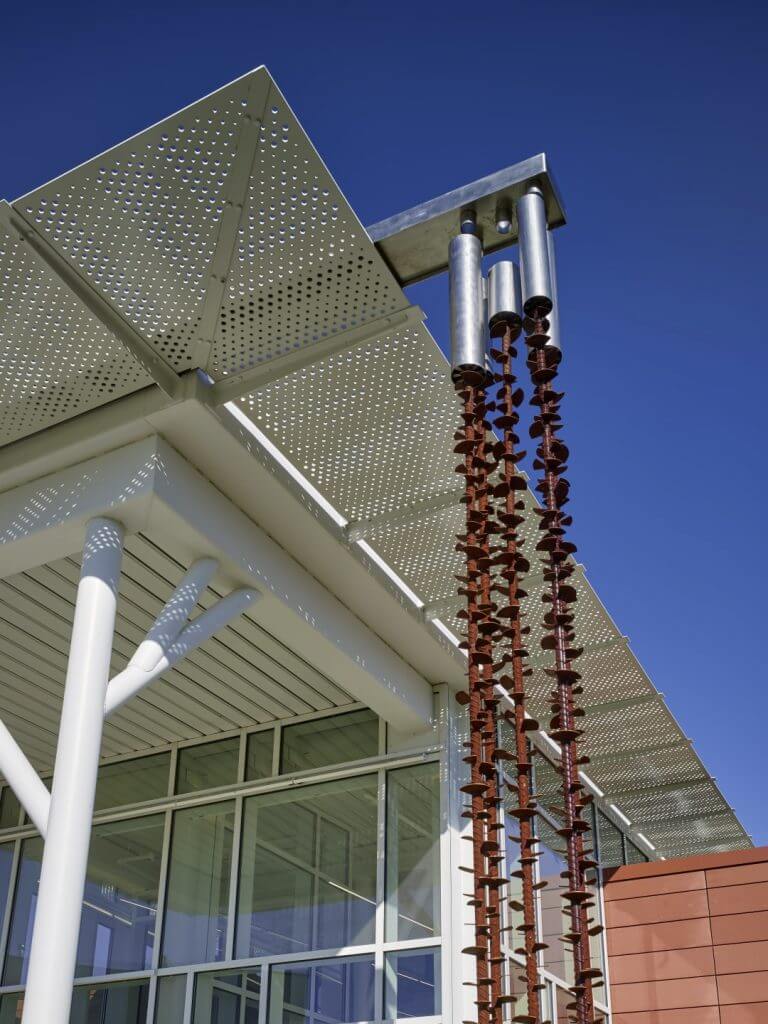
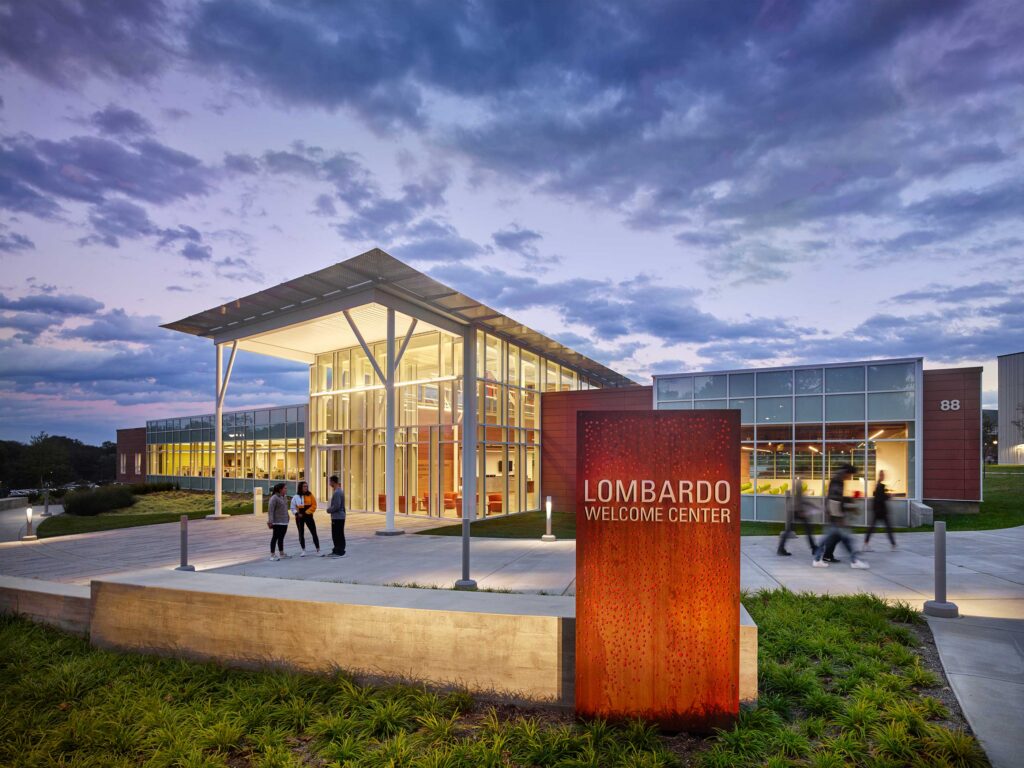
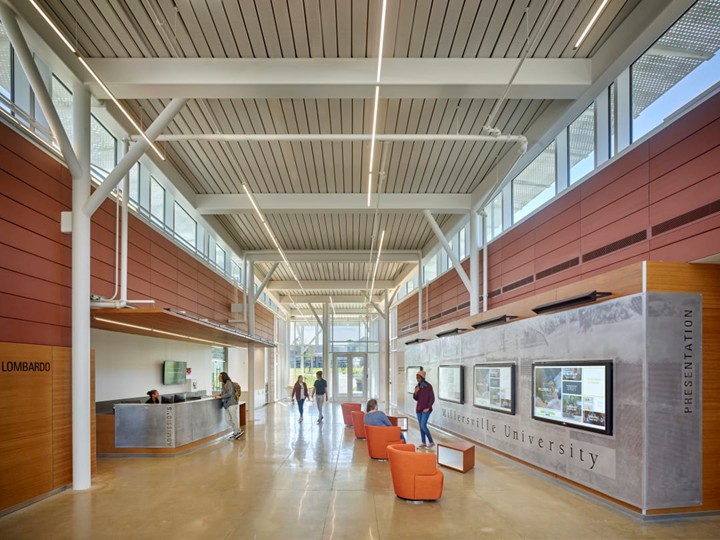
Spillman Farmer Architects partnered with Millersville University to design and deliver the Lombardo Welcome Center, Pennsylvania’s first certified zero-energy building. The 14,600-square-foot facility generates its own energy through renewable systems, including 528 rooftop solar panels and a geothermal heat pump system, while supporting admissions, housing, marketing, and sustainability programs on campus. With AIA Contract Documents (ACD) guiding project coordination and responsibilities, the team delivered a high-performance building that now sets the sustainability standard for future campus development.
Why Net-Zero Buildings Require Strong Project Coordination
Delivering a zero-energy building requires more than innovative technology, It demands close collaboration between owners, architects, consultants, and contractors throughout design and construction. Clear agreements and consistent communication help project teams align sustainability goals, manage evolving technical requirements, and ensure the building performs as intended once complete.
CHALLENGE
Designing a Campus Building That Generates More Energy Than iIt Uses
Millersville University set an ambitious goal: create a welcome center that would produce as much energy as it consumed annually, becoming the first zero-energy building in Pennsylvania.
The building also needed to serve as a gateway to campus while housing several university departments, including admissions, marketing, housing, and sustainability, making it both a functional administrative hub and an educational showcase for sustainable design.
Achieving these goals presented several challenges:
- Integrating renewable energy systems capable of supporting a 24-hour building.
- Designing a highly efficient building envelope to minimize energy demand.
- Coordinating complex sustainability requirements across multiple project stakeholders.
For the project team, success depended on continuous communication and careful documentation to ensure every design and construction decision supported the university’s net-zero objectives.
SOLUTION
Coordinating a Complex Sustainable Project with Clear Documentation
To deliver a building that can produce more energy than it consumes, the project team relied on structured documentation and clear communication throughout the design and construction phases.
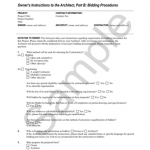
Early in the process, Spillman Farmer Architects used G612™ – Owner’s Instructions to the Architect from ACD to gather critical information about the owner’s expectations and project requirements. The questionnaire helped clarify responsibilities, bidding procedures, and contract expectations before design progressed.
Although the university was required to use Pennsylvania State System of Higher Education (PASSHE) contracts for the owner-architect and owner-contractor agreements, the architectural team incorporated ACD forms throughout construction administration to support coordination and documentation.
Through a collaborative design process, the project team incorporated multiple high-performance building strategies, including:
- A 528-panel solar array to generate renewable energy onsite.
- A 20-well geothermal heat pump system providing efficient heating and cooling.
- A highly insulated building envelope designed to minimize energy demand.
- Real-time energy dashboards that allow occupants and visitors to monitor building performance.
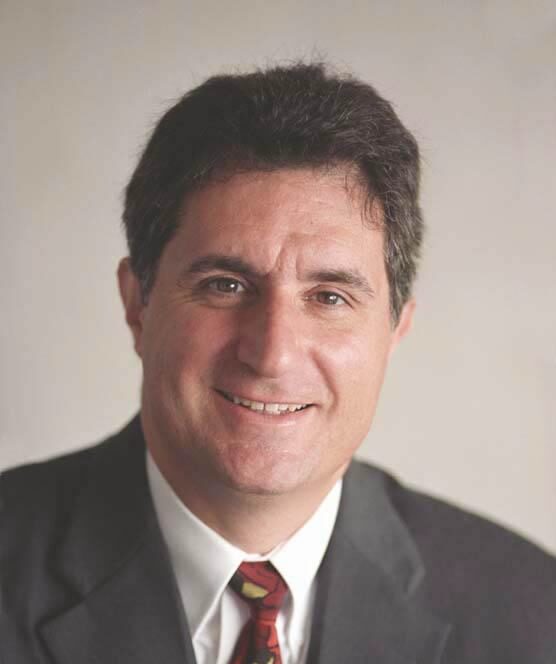
“This is not your average building so answering detailed questions like who’s writing bidder instructions is vital to ensuring clarity on both sides. This project was a collaborative process. Together, we were able to help them refine details such as the insurance and operational requirements.”
Salvatore B. Verrastro
Principal, Spillman Farmer Architects
During construction, the team relied on:
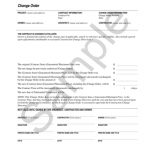
- G701™-2017 – Change Order to formally document changes to the construction contract.
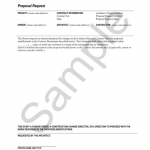
- G709™-2018 – Proposal Request to facilitate communication with the contractor regarding potential changes.
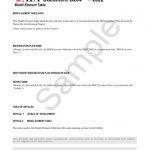
To coordinate work across engineering disciplines, Spillman Farmer Architects also used the C401™-2017 – Standard Form of Agreement Between Architect and Consultant to structure agreements with project consultants, including the civil engineer, structural engineer, electrical contractor, and MEP/fire protection consultant.
“Most consultants, engineers, mechanical, structural, civil, etc. like their own letter of agreement with custom terms and conditions. We prefer the AIA consultant agreement (C401) primarily because of the consistent limits of liability.”
Salvatore B. Verrastro
Principal, Spillman Farmer Architects
Using these coordinated documents helped maintain consistent responsibilities and communication throughout a project with significant technical complexity, including geothermal wells, advanced mechanical systems, and high-performance building-envelope requirements.
RESULTS
Pennsylvania’s First Certified Zero-Energy Building
The $7.5 million Lombardo Welcome Center facility delivers measurable sustainability outcomes:
- First International Living Future Institute-certified zero-energy building in Pennsylvania.
- Produces its own energy using 528 solar panels and a 20-well geothermal heat pump system.
- Approximately 60% more energy efficient than other campus buildings.
- Generates 25% more energy than it consumes, making it a net-positive building.
Today, the Lombardo Welcome Center serves as both the university’s primary welcome facility and a living example of how high-performance buildings can support long-term sustainability goals on campus.
"For the entire team, this building was an eye-opener. Not only were we able to deliver a 24/7 operational building that is a net-zero energy producer, but it also produces 25% more energy than it needs, making it a net-positive building. Also, the cost of the additional systems, like solar panels and geothermal, is paid for within 12-15 years. Most importantly, while there were glitches during construction, the process was smooth thanks in large part to effective contract documents.”
Salvatore B. Verrastro
Principal, Spillman Farmer Architects
ACTIONABLE INSIGHTS
Tips for Delivering Net-Zero Building Projects
Net-zero projects push design and construction teams to align sustainability goals with clear project coordination and documentation.
Consider these strategies when planning similar projects:
- Define sustainability goals early. Clear performance targets help guide design decisions throughout the project lifecycle.
- Integrate renewable systems with building efficiency strategies. High-performance envelopes and mechanical systems reduce the energy required before renewable generation is added.
- Engage stakeholders throughout design. Collaboration between owners, architects, and technical consultants ensures sustainability goals remain achievable.
- Use buildings as educational tools. Real-time energy dashboards and visible systems can help communicate sustainability performance to occupants and visitors.
- Structure responsibilities through proven agreements. Explore how the B101™ owner-architect agreement helps coordinate design, documentation, and construction phases for complex projects.
Use AIA Contracts for Your Sustainability Build
Gain access to the full library of industry-standard agreements and construction administration forms used across the construction industry. Learn how an unlimited subscription can support your firm’s projects.