
Construction contracts work best when they are used as a coordinated system, not as standalone documents. The A101® and A201® work together to define how your project is administered, helping you establish clear roles, consistent processes, and enforceable expectations from the start.
Why A101 and A201 Must Be Used Together
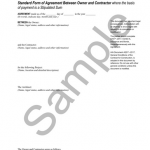
A101 defines the financial terms of your agreement. A201 defines how those terms are executed during construction. A201 provides the operational structure that keeps the project moving forward. It defines how decisions are made, how changes are handled, and how disputes are resolved before they escalate.
Without A201, A101 becomes incomplete. You may have pricing and payment terms, but you do not have a consistent process for managing the work, resolving issues, or enforcing obligations. For owners, this structure is critical. It creates predictability across the project and ensures that every participant is working under the same set of rules.
What A201 Actually Governs
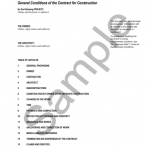
A201® – General Conditions of the Contract for Construction is the day-to-day playbook for how your project runs. It establishes:
- How progress payments are reviewed and approved.
- How change orders are initiated, evaluated, and executed.
- How delays and schedule impacts are addressed.
- How defective or nonconforming work is corrected.
- How disputes are escalated and resolved.
This alignment reduces friction across teams and helps prevent small issues from becoming costly problems.
How A201 Aligns Your Project Team
Construction projects involve multiple parties with different responsibilities. Without a shared framework, misalignment is almost guaranteed. A201 creates that alignment by clearly defining roles:
- The contractor is responsible for executing and coordinating the work, including managing subcontractors, maintaining the schedule, and delivering compliant construction.
- The architect administers the contract, reviews payment applications, evaluates changes, and helps interpret the contract documents during construction.
As the owner, you gain visibility into both roles while maintaining a structured process for oversight and decision-making.
Contract Governance Built for Predictability
When A101 and A201 are used together, your project operates under a consistent governance model.
That consistency leads to:
- Clear accountability across all parties.
- Faster decision-making during construction.
- Reduced disputes through defined processes.
- Better cost and schedule control.
This is how owners reduce surprises and maintain control from kickoff through closeout.
Do You Need A201?
Here’s a quick self-assessment:
- Do all participants understand how the contract is administered during construction?
- Are roles clearly defined across owner, architect, and contractor?
- Are payment, change order, and dispute processes aligned?
- Are procedures in place for defective work?
Explore All Owner Agreements
Create a coordinated system that protects your capital, clarifies expectations, and keeps your project moving forward. Explore the full library of owner-focused agreements.
Unlimited Access To AIA Contracts
Take the next step with unlimited use of coordinated, standards-backed agreements across every project.