Protecting your investment requires more than a strong agreement. It requires financial safeguards that support performance throughout construction. Coordinated contracts and bonds work together to reduce risk.
This article explains how A101® and A312™ align to protect you from contractor default and subcontractor nonpayment, giving you a clear path forward if challenges arise.
Why A101 and A312 Must Be Used Together
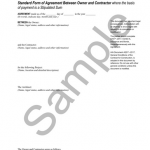
A101 gives you the ability to require bonds through Exhibit A. A312 provides the standardized forms that make those requirements enforceable. When used together, they connect the contractor’s obligations directly to a third-party surety. This creates an additional layer of protection that extends beyond the contractor itself.
For owners, this is a critical risk management tool. It ensures that if something goes wrong, there is a defined path to recovery.
What Bonds Actually Do
Bonds are often misunderstood as administrative paperwork. In reality, they are financial safeguards that protect your project.
Bonds transfer a portion of the risk from you to a surety that has evaluated the contractor’s financial strength and performance history. This means you are not relying solely on the contractor’s ability to perform. You have a second layer of accountability in place.
How Performance Bonds Work
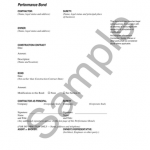
The A312™ – Performance Bond ensures the project is completed, even if the contractor defaults.
If issues arise, the surety is obligated to step in and take action. That may include:
- Bringing in a replacement contractor.
- Funding completion of the work.
- Compensating you for financial loss.
This protection helps maintain project continuity and reduces the risk of major delays.
How Payment Bonds Work
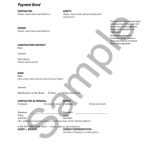
The A312™ – Payment Bond protects against subcontractor and supplier nonpayment. Without this protection, unpaid parties may file liens against the project. This can delay occupancy, disrupt financing, and create legal complications.
The Payment Bond ensures those parties are paid, reducing your exposure and keeping the project moving forward.
Why It Matters for Owners
Requiring bonds is a proactive step that strengthens your position before construction begins.
It signals that:
- A surety has vetted the contractor.
- Financial backing is in place if issues occur.
- Risk is shared, not carried solely by you.
When aligned with the contract sum in A101, bonds create a clear financial safety net across the project.
Explore All Owner Agreements
Create a coordinated system that protects your capital, clarifies expectations, and keeps your project moving forward. Explore the full library of owner-focused agreements.
Unlimited Access To AIA Contracts
Take the next step with unlimited use of coordinated, standards-backed agreements across every project.