
The success of a construction project relies heavily on subcontractors delivering quality work on schedule. However, delayed or inconsistent subcontractor payment processes are one of the most common challenges you face.
This article explains common causes of payment delays, key contract provisions that affect subcontractor payment, and best practices for creating a more reliable construction payment process.
Why the Subcontractor Payment Process Breaks Down
Even on well-run projects, payment delays are common. Several factors drive this, including:
- Delayed Payments: Subcontractors often experience payment receipt delays, which can impact their cash flow and ability to meet financial obligations.
- Complex Paperwork: The construction industry requires extensive paperwork, such as invoices, change orders, and lien waivers, which can be difficult for subcontractors to manage and submit correctly.
- Disputes and Discrepancies: Disputes over work quality, scope changes, and payment terms can slow down the payment process, leading to frustration and strained relationships between subcontractors and contractors.
Common Subcontractor Payment Terms and Practices
A single dispute or missed invoice does not cause most subcontractor payment issues. They usually stem from inconsistent documentation, unclear contract terms, or mismatched expectations between the owner, contractor, and subcontractor.
Construction payment depends on a chain of approvals. Payment applications, schedules of values, lien waivers, change orders, and contract provisions all work together to support that process. When one piece is incomplete or misunderstood, delays can affect everyone downstream.
That’s why standardized contracts and payment procedures matter. Clear documentation, defined timelines, and consistent workflows help reduce disputes, improve transparency, and keep projects moving.
Here are some of the most common payment provisions and practices subcontractors should understand before work begins.
How Retainage Works on Construction Projects
Retainage is a percentage withheld from each progress payment to ensure the work is completed. It may be released as the project moves forward or held in full until completion.
Retainage affects both project cash flow and final payment timing, making it important for subcontractors to understand how it is calculated and released. The owner-contractor agreement should specify the amount of retainage withheld and when it will be released. The subcontract should address those same terms.
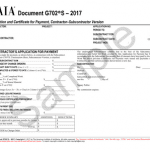
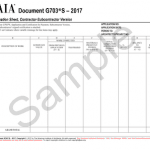
G702® – Application and Certificate for Payment and G703® – Continuation Sheet track retainage line by line against the schedule of values. Fixed-rate retainage applies the same percentage to all completed work, and variable-rate retainage differs by line item.
Retainage laws vary by state. Some states cap the percentage a contractor can withhold, require retainage to be placed in a separate account, or mandate release timelines after substantial completion.
Pay-When-Paid and Pay-If-Paid: What They Mean for Subcontractors
Pay-when-paid and pay-if-paid are two distinct contract clauses with very different implications for subs.
- Pay-when-Paid: Under a pay-when-paid clause, the GC still owes the subcontractor payment, but the timing is tied to when the GC receives payment from the owner.
- Pay-if-Paid: A pay-if-paid clause goes further, making the GC’s receipt of owner payment a condition of the GC’s obligation to pay the sub at all. Courts treat these clauses differently, and in some states, pay-if-paid provisions are unenforceable.
Setting a Construction Payment Schedule That Holds Up
A payment schedule defines when and under what conditions subcontractors get paid. It is typically structured around project milestones, such as completion of specific phases or deliverables, and it helps subcontractors plan cash flow and reduce the risk of disputes.
Preparing a Schedule of Values
With AIA contracts, the payment schedule aligns directly with the schedule of values, an itemized list that allocates the contract sum across portions of the work and serves as the basis for reviewing each payment application.
Subcontractors should prepare the schedule of values before the first pay app is submitted and confirm it has been accepted. If early material payments are required, that should be communicated before the contract is signed so the agreement can reflect it clearly.
Lien Waivers: What Subcontractors Sign and When
A lien waiver releases the right to file a construction lien in exchange for payment. These waivers are typically submitted with each pay application as a condition of receiving payment.
Lien waivers fall into four categories:
- Conditional Progress Waiver: Waives lien rights for work completed to date, but only takes effect once payment is received. This is the most common type for ongoing pay app submissions.
- Unconditional Progress Waiver: Waives lien rights upon signing, regardless of whether payment has been received. Subcontractors should be cautious about signing these before payment is in hand.
- Conditional Final Waiver: Used at project closeout; takes effect once final payment is made.
- Unconditional Final Waiver: Fully releases all lien rights. Only appropriate when work is complete, and payment has been received.
Several states require state-specific lien waiver and release forms. Be sure to check the requirements for your state.
Build a Standard Workflow for Timely Payment
Reliable subcontractor payment depends on a consistent workflow that clearly defines responsibilities, documentation requirements, and review timelines.
A payment application, often called a pay application or pay app, documents completed work and requests payment for that portion of the project. Establishing a standard process helps reduce administrative delays, improve transparency, and keep payment applications moving efficiently from submission to approval.
A standard payment workflow typically includes these steps:
- The subcontractor submits a payment application, supported by the schedule of values and any required documentation.
- The GC reviews the application against the agreed schedule of values to confirm the work shown is complete.
- The GC collects the required lien waiver from the subcontractor.
- The owner pays the GC, typically after the architect reviews and certifies the GC’s payment application.
- The GC pays the subcontractor within the timeframe set in the subcontract.
The subcontract should state how many days the GC has to pay the subcontractor after receiving owner payment, and the interest rate that applies to late payments.
Best Practices for Improving Subcontractor Payment
Improving subcontractor payment requires more than enforcing deadlines. Clear documentation, transparent communication, and standardized contract procedures all help reduce disputes and create a more predictable payment process for everyone involved.
Standardize Documentation
Implementing standardized document templates for invoices, change orders, and lien waivers can significantly simplify the payment process. This reduces the likelihood of disputes and ensures all parties are on the same page.
Define Clear Payment Terms
Ensure that all payment terms are explicitly defined in contracts, including milestones and due dates.
Maintain Transparency and Communication
Encourage open communication between subcontractors and contractors. Regular updates on the project’s progress and potential changes can help subcontractors prepare and invoice accordingly. Addressing concerns early can help prevent disputes.
Include Dispute Resolution Procedures
Include mechanisms for resolving disputes in contracts. Consider whether meet and confer options, mediation, or arbitration clauses can help resolve issues more efficiently than costly litigation processes.
Evaluate Payment Acceleration Programs
Some contractors offer payment acceleration programs that allow subcontractors to receive payments sooner, even at a slight discount. While this might reduce the subcontractor’s profits marginally, it can improve cash flow significantly.
How A401 Helps Standardize Subcontractor Payment
Standardized contracts can help support many of these payment best practices by clearly defining procedures, timelines, and responsibilities from the start of the project.
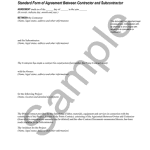
A401™ – Agreement Between Contractor and Subcontractor is the AIA document built specifically for the GC-sub relationship. It sets payment terms, retainage provisions, lien waiver requirements, and dispute resolution procedures in a single, standardized agreement.
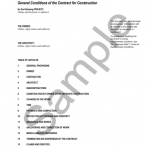
Using A401 gives both the GC and the subcontractor a clear, consistent framework for the payment process that aligns with A201® – General Conditions of the Contract for Construction and the broader suite of AIA documents used on most projects.
Building a More Reliable Payment Process
A reliable subcontractor payment process depends on clear contracts, consistent documentation, defined timelines, and proactive communication.
Standardized agreements like A401 and A201 help establish a more predictable framework for managing payments throughout the project lifecycle.
A GC typically pays a subcontractor after the sub submits a payment application supported by a schedule of values and any required lien waivers. The GC reviews the application, collects the waiver, and issues payment within the timeframe set in the subcontract, which is usually tied to when the GC receives payment from the owner.
Retainage is a percentage of each progress payment that is withheld until the work is complete. It protects the owner and GC by ensuring funds are available if work needs to be completed or corrected. The retainage percentage and release conditions should be defined in the contract.
Pay-when-paid ties the timing of a GC’s payment to the sub to when the GC is paid by the owner. Pay-if-paid goes further, making the GC’s receipt of owner payment a condition of the GC’s obligation to pay the sub at all. Pay-if-paid clauses are unenforceable in some states.
Payment timelines vary by contract and state law. Many states have prompt payment statutes that set maximum timeframes for GCs to pay subcontractors after receiving payment from the owner. The subcontract should specify the exact timeline.
A lien waiver is a document a subcontractor signs to release their right to file a construction lien, usually in exchange for payment. Conditional waivers only take effect once payment is received; unconditional waivers release rights upon signing.