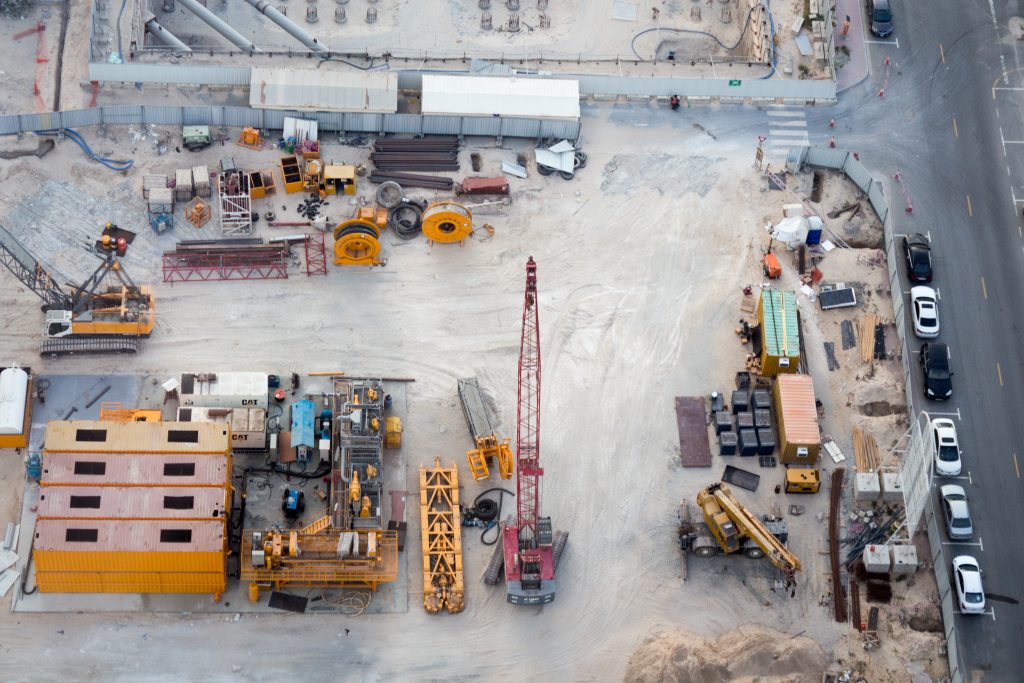
Project delays and temporary suspensions are a familiar part of today’s construction landscape – a reality we often hear about from our clients working across 200,000 projects a year. According to a recent Project Stress Index (PSI), project disruption rose nearly 20 percent month-over-month in November 2025, driven largely by an uptick in project abandonments and continued on-hold activity.
So, what’s the hold up? Industry analysis shows that poorly executed handoffs are a leading cause of construction delays, with project teams often waiting for other disciplines to complete work before the next phase can begin. Staffing shortages, along with material and equipment delays, continue to impact project schedules, reflecting ongoing labor and supply chain challenges expected to persist in 2026. Design changes and weather-related pauses also remain common factors affecting project timelines, often introducing rework, productivity losses, and broader project impacts.
No matter the underlying cause, these interruptions raise important questions about contractual obligations, timing, and risk allocation. How project teams respond in these moments can significantly influence outcomes.
Here are several best-in-class approaches for managing unexpected delays or suspensions.
Addressing Delays and Suspensions in the Contract
AIA Contract Documents anticipate delays, suspensions, and on-hold conditions, and include mechanisms to address these types of challenges. When circumstances affect a party’s ability to perform, the contract terms may allow for schedule adjustments or other relief. In these situations, reviewing contract language and communicating constraints or impacts can help support coordinated decision-making. This is a critical but often challenging step in preventing delays from becoming extended disruptions.
For example, the A201 General Conditions addresses delays and extensions of time in Section 8.3, which allows the contract time to be extended when delays result from causes beyond the contractor’s control. Determining a reasonable extension is typically done collaboratively, based on the specific circumstances of the project.
A201 also includes provisions related to suspension and termination, including:
- Section 14.1.1.2 (Termination by the Contractor)
- Section 14.3 (Suspension by the Owner for Convenience)
- Section 14.4 (Termination by the Owner for Convenience)
In our conversations with project teams, these provisions may come into focus when owners pause or end projects due to funding uncertainty, changes in scope, or broader economic pressures.
Communicating Through Delays and Suspensions
Proactive communication is one of the most effective tools for managing project delays or on-hold conditions. Most construction contracts require notice when a party asserts a right or claim related to delays, additional time, or compensation.
Contracts such as B101-2017 Owner-Architect agreement address changes to the architect’s services, project suspensions, and the timing of performance. Section 3.1.3, which addresses the project schedule, and Section 2.2, which defines the architect’s standard of care, may be particularly relevant when services are delayed or temporarily placed on hold.
Recommended communication practices:
- Review contract notice requirements carefully
- Document impacts, communications, and decisions
- Communicate early and often with all affected parties
If work can continue in a limited or modified manner, the parties should consider formally updating the contract to reflect changes to schedule, scope, or compensation. If a project is suspended or terminated, specific contractual remedies may apply, and those provisions should be reviewed with counsel.
Flow-down provisions in A401-2017 Contractor-Subcontractor agreement and C401-2017 Architect-Consultant agreement may also be triggered. Subcontractors and consultants should review their agreements carefully to understand how upstream delays or suspensions affect their rights and obligations.
Insurance Considerations During Project Delays
Across our client base, insurance considerations become especially important when projects are delayed or placed on hold. Most construction contracts require multiple forms of insurance, and certain policies may be relevant when projects are delayed or placed on hold for economic reasons.
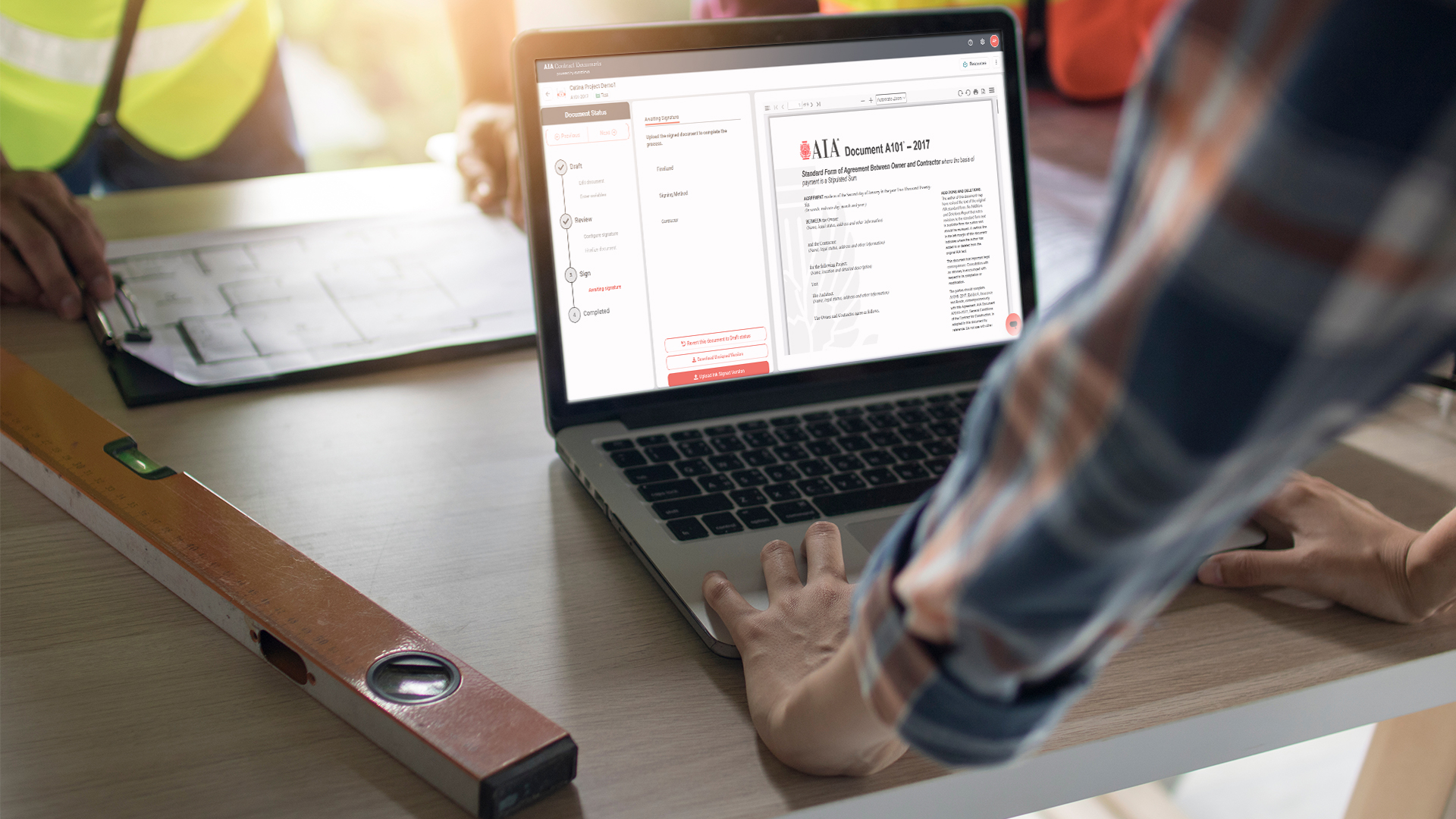
For example, Exhibit A (“Insurance and Bonds”) to A101-2017 allows owners to purchase optional coverages, including Loss of Use, Business Interruption, and Delay in Completion insurance. Whether coverage applies depends on policy terms and exclusions, which may vary based on the cause of delay.
Project teams should consult with insurance advisors to understand existing coverage, exclusions, and any notice requirements related to project interruptions or financial losses.
Planning for Future Projects
In working with owners, architects, contractors, and consultants across the country, we consistently hear that early planning and clear communication are among the most effective ways to manage risk when projects encounter changing conditions. When delays or suspensions arise, project teams that take time to review applicable contract provisions together, and discuss potential impacts collectively, are often better positioned to align on next steps and avoid prolonged disruption. Where adjustments are agreed upon, formally documenting those changes through contract amendments helps maintain clarity and accountability.
For projects under negotiation, professionals also emphasize the importance of closely reviewing delay and suspension provisions. Many agreements limit relief to delays that are unforeseeable or beyond a party’s control. In an environment where labor constraints, supply chain volatility, and funding challenges are widely understood, clearly negotiated language can help set expectations and allocate risk more effectively.
Project delays and temporary suspensions remain a part of construction practice, but they do not have to derail projects. As shared by project stakeholders nationwide, teams that rely on AIA Contract Documents are better equipped to respond when met with unforeseen delays.
Be sure to use a structured framework to support coordinated decision-making, so you can manage risk with greater confidence.
AIA Contract Documents has provided this article for general informational purposes only. The information provided is not legal opinion or legal advice and does not create an attorney-client relationship of any kind. This article is also not intended to provide guidance as to how project parties should interpret their specific contracts or resolve contract disputes, as those decisions will need to be made in consultation with legal counsel, insurance counsel, and other professionals, and based upon a multitude of factors.