General Contractor Contracts: A 5-Stage Project Playbook

How High-Performing General Contractors Keep Projects Moving, Reduce Risk, Protect Profit, and Deliver Successful Outcomes
The most successful general contractors know that winning the project is only the beginning. General contractor contracts affect every stage of a construction project, from selecting the right owner-contractor agreement through subcontracting, risk management, payment administration, and final closeout.
They also rely on standardized agreements, coordinated documentation, and proven processes to keep projects moving from contract award through closeout. AIA Contract Documents (ACD) support every major delivery method, helping contractors establish clear responsibilities, improve collaboration, and reduce risk at every stage of construction.
This infographic breaks the construction contract lifecycle into five stages and highlights the AIA agreements and forms that general contractors use to keep projects coordinated, protect cash flow, and manage risk.
Why AIA Contract Documents Are the Trusted Industry Standard
88%
of the top 25 contracting firms use AIA Contract Documents.
More than
$1 trillion
in construction projects use AIA contracts.
200,000+
construction projects rely on AIA Contract Documents every year.
More than
19,000+
contractors use AIA Contract Documents.
5 Stages of the General Contractor Contract Lifecycle
Every project follows a lifecycle, but the best contractors approach each stage with intentional processes that reduce risk, improve collaboration, and keep work moving.
Stage 1: Contract Strategy
Match the Agreement To the Delivery Method
High-performing contractors establish the right contractual foundation before work begins by aligning scope, responsibilities, payment terms, and risk across the project team. Choosing the right agreement for the delivery method creates a stronger foundation for collaboration and successful project delivery.
Tips From the Pro
- Select agreements designed for the project's delivery method.
- Clearly define scope, payment terms, and responsibilities before work begins.
- Coordinate owner, architect, consultant, and contractor expectations from day one.
- Assess contract risk and negotiate key provisions before signing.
- Standardize contracts across projects to reduce negotiation time and improve consistency.
Learn more about selecting and managing general contractor contracts.
BEST PRACTICE:
100% of A101 Agreements should incorporate A201 General Conditions to establish consistent project administration procedures.
Supporting Documents

Design-Bid-Build

Construction Manager as Constructor (CMc)

Construction Manager as Advisor (CMa)

Stage 2: Team Alignment
Align Responsibilities Before Work Begins
The strongest project teams are aligned before work begins. Clear responsibilities and coordinated contract obligations help improve accountability, strengthen communication, and keep every stakeholder working toward the same goals.
Tips From the Pro
- Flow prime contract obligations into every subcontract.
- Clearly define scope and responsibilities.
- Establish communication and documentation expectations.
- Align payment procedures before work starts.
- Reduce coordination gaps before they become field issues.
Learn more about flow-down provisions, aligning payment processes, and coordinating with subcontractors.
INDUSTRY INSIGHT:
Errors and omissions in contract documents ranked as the leading cause of construction disputes in North America, underscoring the importance of clear, complete, and coordinated contract documents.
Supporting Documents
Design-Bid-Build
Construction Manager as Constructor (CMc)
Construction Manager as Advisor (CMa)
Stage 3: Risk Management
Protect the Project, Your Company, and Your Client
Every construction project carries risk, but the best contractors plan for it before work begins. Clear contractual protections, bonds, and standardized procedures help teams manage uncertainty, respond to challenges, and keep projects moving.
Tips From the Pro
- Establish performance and payment protections.
- Clearly allocate responsibilities across project participants.
- Document changes as they occur. Maintain complete project records throughout construction.
- Resolve issues before they escalate.
- Insurance companies prefer to underwrite on AIA contract documents because they are consistent, reliable, and known in the industry.
Learn more about the types of lien waivers and payment vs. performance bonds,
Contractor Advantage:
Medium-sized contractors save an estimated $100,000 annually in outside legal review by standardizing on AIA Contract Documents.
Supporting Documents
A312
Payment Bond
A312
Performance Bond
G901
Lien Waiver, Conditional Waiver on Progress Payment
G902
Lien Waiver, Unconditional Waiver on Progress Payment
G903
Lien Waiver, Conditional Waiver on Final Payment
G904
Lien Waiver, Unconditional Waiver on Final Payment
*Some states require specific versions of lien waivers. View the list.
Stage 4: Payment Administration
Standardize Documentation to Keep Work Moving
Cash flow is one of a contractor’s greatest competitive advantages. Standardized payment and change management processes improve visibility, streamline approvals, and help keep projects funded from start to finish.
Tips From the Pro
- Submit consistent pay applications.
- Document every approved change.
- Track completed work accurately.
- Maintain documentation that supports payment.
- Improve communication between owners, architects, and subcontractors.
Learn more about pay applications and change orders.
By the Numbers:
More than $1 trillion in construction payments have been processed using AIA pay applications.
Supporting Documents
Stage 5: Project Closeout
Close Out Projects with Confidence
Project success doesn’t end when construction is complete. A disciplined closeout process helps contractors finalize documentation, secure payment, strengthen client relationships, and build momentum for the next opportunity.
Tips From the Pro
- Complete punch list items promptly.
- Document substantial completion.
- Finalize closeout documentation.
- Resolve outstanding issues quickly.
- Deliver an organized turnover package.
Learn more about best practices for construction closeout.
Efficiency Insight:
Small general contractors reduce contract editing and review time by 30% to 40% and cut legal review hours by approximately 50% by standardizing their contract process.
Supporting Documents
Why Top Contractors Choose AIA Contract Documents
One Coordinated System Across the Project Lifecycle
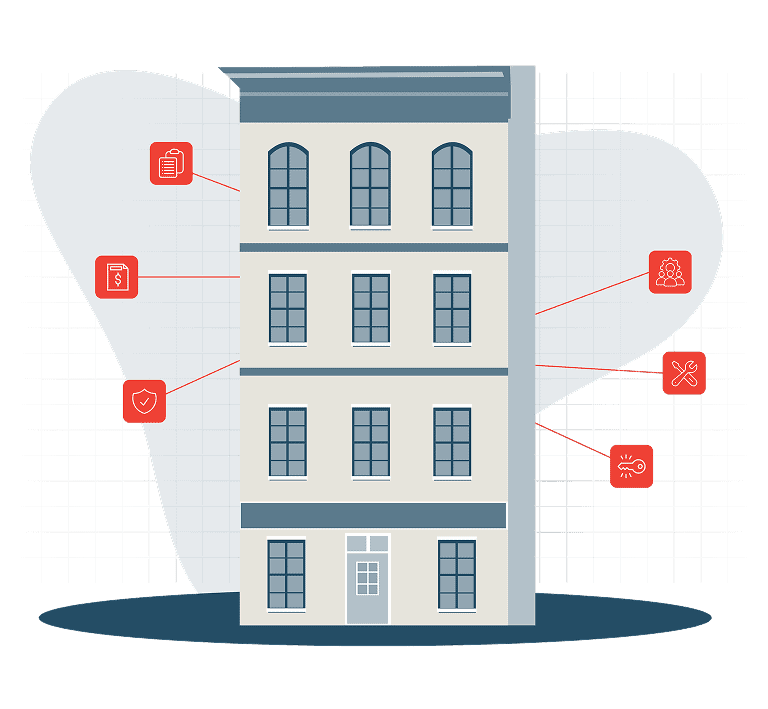
AIA Contract Documents are designed to work together. From project kickoff through closeout, contractors can access a coordinated family of agreements, forms, and tools that support project delivery, risk management, payment administration, and team coordination.
AIA Contract Documents Help General Contractors

Establish Clear Project Responsibilities
Select the Right Agreement for Every Delivery Method

Align Subcontractors and Project Stakeholders

Support Efficient Payment Processes

Manage Project Risk

Improve Communication Across Teams
Standardize Contract Administration

Deliver Projects with Confidence
Standardize the
Way You Build
Every successful project starts with the right agreement. Every successful company builds repeatable processes around it.
Whether you’re managing one project or hundreds, AIA Contract Documents help your team standardize contracts, improve collaboration, streamline payment, and confidently manage every phase of construction.
Explore unlimited access to more than 300 coordinated agreements, digital contract tools, payment applications, and resources trusted by the industry.
Frequently Asked Questions
The contracts a general contractor needs depend on the project delivery method, scope, and relationships among the project team. Common agreements include an owner-contractor agreement, general conditions, subcontractor agreements, and bonds. Contractors also rely on forms for change orders, payment applications, substantial completion, and other stages of construction administration.
Common AIA Contract Documents for general contractors include A101® – Agreement Between Owner and Contractor, A201® – General Conditions of the Contract for Construction, and A401® – Agreement Between Contractor and Subcontractor. The appropriate documents depend on the project delivery method, payment structure, and contracting relationships.
A101 is an agreement between the owner and contractor for projects where the basis of payment is a stipulated sum. A201 establishes the general conditions governing the construction contract, including the rights, responsibilities, and relationships of the owner, contractor, and architect. A101 and A201 are designed to be used together as part of the Contract Documents.
G702® – Application and Certificate for Payment and G703® – Continuation Sheet, are commonly used together to document a contractor’s application for payment. G702 summarizes the payment request, while G703 provides a detailed breakdown of the contract sum, completed work, stored materials, retainage, and remaining balance.
G701® – Change Order is used to document an agreement among the owner, contractor, and architect for a change in the work that may affect the contract sum, contract time, or both. Using a standardized change order process helps project teams document approved changes and maintain a clear record as construction progresses.
Construction closeout can involve several documents depending on the project, including certificates of substantial completion, final payment documentation, consent of surety, warranties, record documents, and other required closeout materials. G704® – Certificate of Substantial Completion is commonly used to establish the date of substantial completion and identify responsibilities for remaining work, security, maintenance, utilities, and insurance.
Clear construction contracts establish each party’s responsibilities, scope, payment requirements, procedures, and risk allocation before problems arise. General contractors can use the contract throughout the project to manage changes, payment, scheduling, claims, subcontractor relationships, and other issues that could affect project performance.
Contracts support the entire construction project lifecycle, not just project startup. General contractors use agreements and contract documents to establish the project structure, align subcontractors, manage risk, administer changes and payments, and document substantial completion and closeout. Selecting the right documents at each stage can help teams maintain consistent processes from contract execution through final completion.