
■ PRACTITIONER PERSPECTIVE
Throughout this article, Courtney Haddick, Contract Officer and Risk Manager at FFKR Architects, shares insights from her experience helping architecture firms manage risk through standardized contracts.
Quick Takeaways
- Standardized contracts reduce uncertainty and support better risk management.
- B101™ and C401™ work together to create consistency across project teams.
- Coordinated agreements reduce legal review and administrative effort.
- Firm standards create long-term efficiency as practices grow.
- Practicing architects help ensure AIA Contract Documents reflect today’s profession.
Watch the Interview
Risk Management Starts Before the Project Begins
Managing risk is about establishing expectations before problems occur. The owner-architect agreement, consultant agreements, and supporting contract documents all define responsibilities before work begins, helping project teams understand who is responsible for what throughout the project lifecycle. Courtney believes that consistency is one of the greatest advantages of AIA Contract Documents.“You have a level of comfort that no other documents out there give.”For her, that confidence comes from beginning with documents that have already been thoughtfully developed, continuously updated, and widely understood throughout the industry. Rather than questioning the foundation of every agreement, project teams can focus on project-specific decisions.
Why B101 and C401 Work Better Together
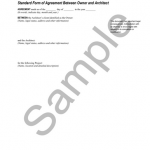
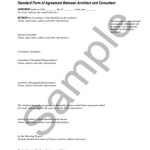
Every architecture firm develops a preferred contract workflow. For FFKR Architects, that foundation starts with B101 for owner-architect agreements and C401 for consultant agreements.
Using coordinated agreements creates consistency across the project team while reducing unnecessary administrative effort. Courtney says those documents work especially well together because they’re designed to complement one another.
“We love using the B101 and the C401 together because of the amount of time and legal review fees and headaches that it solves.”
Instead of reviewing every consultant agreement from the beginning, her team can focus on the areas where the owner agreement has changed.
“We can be very selective about reviewing places where B101 was modified.”
That coordinated approach streamlines legal review while helping maintain consistency between owner and consultant responsibilities.
Building Firm Standards Creates Long-Term Value
Standardized agreements become even more valuable as firms grow.
Earlier in her career, Courtney helped establish contract standards for another small architecture practice that was building its processes from the ground up. Without existing standards, the firm needed a dependable place to start.
“The AIA contracts were such a great resource through that experience.”
Rather than developing custom agreements from scratch, the firm relied on standardized contracts that could be adapted to meet individual project needs while maintaining consistency across the practice.
That experience reinforced an important lesson. Strong firm standards don’t limit flexibility. They provide a reliable foundation that makes future projects easier to manage.
Why Practicing Architects Matter
Many architects use AIA Contract Documents without realizing how they’re developed. Courtney’s early experience foundation with the documents inspired her to serve on the AIA Documents Committee. This has given Courtney a firsthand appreciation for the collaborative process behind every revision. She says practicing architects play an important role because they bring real-world project experience into every discussion.
“Without real practicing architects that are in the trenches every day on projects… the documents cannot be a reflection of our industry.”
The committee also includes attorneys, owners, contractors, consultants, and other industry representatives. Together, those perspectives help ensure the documents remain practical, balanced, and relevant.
“We work very hard to make sure they’re not unfairly favorable to the architect, but that they are an accurate reflection of what architects do.”
Risk Management Continues to Evolve
Construction risk isn’t static. As project delivery methods, owner expectations, and industry priorities change, contract documents must evolve alongside them.
Courtney has been closely involved in developing updated sustainability-related documents for the upcoming 2027 release. She believes architects increasingly need agreements that reflect the growing role sustainability plays in professional practice.
When sustainability services are included on a project, clearly defining those responsibilities helps firms better understand and manage risk.
“We’re very excited… to make sure that contract documents are a good reflection of what is going on in the conversation around sustainability.”
Final Thoughts
Risk management isn’t only about avoiding disputes. It’s about creating clarity, clear expectations, coordinated agreements, and consistent standards.
Courtney’s experience demonstrates that standardized contracts help architecture firms reduce uncertainty, simplify project administration, and build stronger foundations for every project. As she puts it:
“You have a level of comfort that no other documents out there give.”
Related Resources
- Understanding B101 and C401: Protecting the Chain of Responsibility
- Architect’s Guide to Contracts
- How To Choose the Right AIA Contract
- List of All Current AIA Contract Documents
Explore AIA Contract Documents
With an AIA Contract Documents (ACD) subscription, you get access to the full coordinated family of AIA contract documents that help architecture firms establish consistency, improve collaboration, and support successful project delivery.