
Construction contract closeout is more than the last inspection. It is the process of confirming that the work, records, financial obligations, and operational handoff meet the contract requirements. When teams wait until the final weeks to start, missing documents, unresolved changes, and an expanding punch list can delay occupancy and final payment.
Closeout goes smoothly when it starts early, which is why it’s good to build the requirements into the contract administration plan, assign owners, and track deliverables as the work progresses. The owner gets a usable facility, the contractor protects cash flow, and both end up with a clear record of what they completed.
Treat closeout as a managed phase of the project, not a scramble at the finish line.
Why Construction Contract Closeout Matters
A complete closeout creates a documented end to the project. It helps the parties confirm what remains, who owns each responsibility, when final payment can move, and what the operations team needs after turnover. It also reduces the chance that a minor open item becomes a larger dispute because the team lost the record or never assigned the work.
The closeout phase typically sits between two important milestones: substantial completion and final completion. Substantial completion generally means the owner can occupy or use the work for its intended purpose, even though limited work may remain. Final completion comes later, after the contractor completes the remaining contract work and satisfies the final closeout requirements.
7 Best Practices for a Successful Construction Contract Closeout Process
1. Build the Closeout Plan Before Construction Begins
Start with the signed agreement, general conditions, specifications, and approved modifications. Extract every closeout requirement into one register. For each deliverable, record the responsible party, reviewer, format, due date, approval criteria, and current status. Link those dates to procurement, testing, commissioning, training, substantial completion, and final payment.
The plan should also define how the team will store files, name final versions, submit revisions, and confirm acceptance. Align it with the construction schedule and substantial completion requirements in the contract. A single source of truth helps the project administrator see what is missing before it becomes urgent.
2. Use Substantial Completion as a Control Point
Do not treat substantial completion as a ceremonial date. Use it to document the accepted portion of the work, the remaining items, the time allowed to complete them, and the transfer of responsibilities. Depending on the agreement, the date may affect occupancy, security, maintenance, utilities, insurance, and warranty commencement.
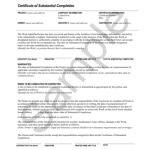
For projects using AIA Contract Documents (ACD), G704 ® – Certificate of Substantial Completion records the date of substantial completion for the work or a designated portion. Its instructions call for an attached list of items to be completed or corrected and for the parties to document responsibilities and timing. Confirm the project’s exact requirements and use the form that matches its delivery method.
3. Turn the Punch List Into an Action Log
A punch list only works when the team can act on it. Describe each item precisely, identify its location, attach a photo when useful, assign one accountable owner, set a due date, and record who will verify the correction. Separate incomplete or defective contract work from owner-requested enhancements or new scope so the closeout process does not absorb unpriced changes.
Prioritize life safety, code, access, system performance, water intrusion, and occupancy-related items. Then group remaining work by area or trade to reduce repeat site visits. Close an item only after the required reviewer confirms the result.
4. Assemble Closeout Documents as the Work Progresses
Closeout documents often come from many trades, manufacturers, consultants, and authorities. Collect them when the information is created, then review each submission for completeness and contract compliance. Depending on the project, the turnover package may include:
- Record drawings, approved submittals, and final specifications
- Operations and maintenance manuals, product data, and system narratives
- Warranties, guarantees, certificates, and start dates
- Testing, balancing, commissioning, inspection, and permit records
- Owner training records, videos, sign-in sheets, and support contacts
- Keys, access credentials, attic stock, spare parts, and special tools
- Subcontractor, supplier, and manufacturer contact information
Standardize the package by system or facility area so the owner can use it after turnover. The team’s broader construction administration practices should support the same audit trail throughout the project.
5. Reconcile Changes, Claims, and Open Decisions
Before the final payment package reaches the reviewer, reconcile the contract sum and time. Confirm that executed change orders match the cost records, schedule updates, and payment applications. Identify unresolved proposals, claims, allowances, credits, back charges, and disputed work. Assign an owner and a decision date to each item.
Keep the record factual. Preserve notices, approvals, meeting decisions, and supporting documentation in the project file. Clear documentation helps the parties understand what was decided and reduces the risk of reopening settled issues during final reconciliation.
6. Prepare the Final Payment Package Early
Final payment should follow the contract’s requirements, not an improvised checklist assembled at the end. Review the construction payment process and confirm the required final application, supporting records, retainage treatment, affidavits, waivers, releases, and approvals.
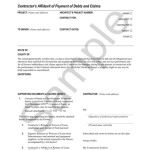
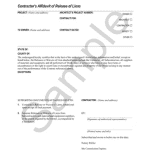
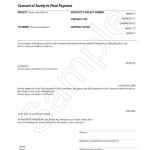
Common AIA contract documents in a final payment workflow may include G706 ® – Contractor’s Affidavit of Payment of Debts and Claims, G706A ® – Contractor’s Affidavit of Release of Liens, and, on bonded projects when required, G707™ – Consent of Surety to Final Payment. Match every form to the agreement and project conditions.
Lien waiver rules vary by state and payment status. Review the types of lien waivers and use jurisdiction-specific forms when required. An unconditional final waiver can waive rights when signed, so contractors and subcontractors should confirm payment and obtain legal guidance when needed before executing one.
7. Verify Final Completion and the Operational Handoff
After the remaining work is complete, conduct the contract-required final inspection and document the result. Confirm that the punch list is closed, required deliverables are accepted, training is complete, access items are transferred, and the owner knows how to request warranty service. Record any surviving obligations and their dates.
AIA Contract Documents publishes certificates of substantial completion for several delivery methods, but it does not publish a certificate of final completion or a universal project closeout form. Use the process required by the project agreement and maintain a clear acceptance record.
Who Owns Construction Project Closeout?
The contract defines the formal responsibilities, but the working process usually depends on coordinated action:
- Owner: Define turnover needs, provide timely decisions, coordinate operations staff, and accept deliverables under the contract.
- Contractor: Manage trade completion, assemble required records, correct punch list work, reconcile costs, and submit the final payment package.
- Architect or contract administrator: Perform the services assigned by the agreement, receive and forward to the owner closeout submissions from the contractor, inspect the work, and document milestone determinations.
- Consultants and commissioning providers: Verify systems and specialized deliverables within their scopes and report unresolved issues.
- Subcontractors and suppliers: Complete their work, submit warranties and operations data, resolve deficiencies, and provide payment documentation when required.
Assign one closeout lead to maintain the master register and escalate overdue actions. Shared responsibility still needs a clear coordinator.
Common Closeout Mistakes and the Better Move
- Waiting until the end to request documents: Set progressive due dates and review turnover records by system.
- Using a vague punch list: Write location-specific items with owners, deadlines, and verification status.
- Mixing corrections with new scope: Separate contract work from owner-requested changes and route decisions properly.
- Treating substantial completion as final completion: Document what remains and keep the final inspection and payment requirements visible.
- Submitting final payment with unresolved paperwork: Audit the package early against the agreement and jurisdictional requirements.
- Holding a lessons-learned meeting without follow-through: Assign each improvement to a template, process owner, and deadline.
Close Out With Clarity
A successful construction contract closeout gives the team a controlled path from usable work to complete work, accepted records, and final financial resolution. Start early, manage the handoffs, and let the contract drive the sequence. The result is a cleaner operational transition, a stronger audit trail, and fewer surprises at the point when every party is ready to move on.
Build your closeout workflows on trusted, coordinated AIA forms: explore access to agreements, payment forms, substantial completion certificates, affidavits, and other project administration tools.
Frequently Asked Questions
Construction contract closeout is the process of confirming that the parties have completed the work, documentation, financial, and handoff requirements stated in the contract. It may include inspections, punch list completion, turnover records, final payment documentation, and acceptance activities.
Begin planning before construction starts. Extract the closeout requirements into a register, then collect and review deliverables throughout the project. Starting early reduces the volume of missing information at substantial completion.
Substantial completion generally means the owner can occupy or use the work for its intended purpose, even though limited work remains. Final completion occurs after the remaining contract work and closeout requirements are complete. The project’s contract defines the applicable criteria and consequences.
Requirements vary, but may include record drawings, operations and maintenance manuals, warranties, commissioning records, permits, final payment documents, affidavits, lien waivers, and surety consent. Use the signed contract and specifications as the checklist.
No. ACD publishes certificates of substantial completion for several delivery methods, including G704 for conventional construction, but it does not publish a certificate of final completion or a universal project closeout form. Follow the closeout process in the project agreement.
Audit requirements early, reconcile changes and retainage, close punch list items, and confirm that required affidavits, lien documents, surety approvals, and supporting records are complete. Contract terms and state law may affect timing.
The contract assigns formal duties, but one team member should coordinate the master closeout register and track deliverables, reviews, due dates, and escalations.